Before writing this article, current cybersecurity workforce and hiring trend data were reviewed. One of the most important findings from the latest ISC2 Workforce Study is that employers increasingly prioritize critical skills over headcount, with cloud security, AI security awareness, risk assessment, security engineering, and communication skills ranking among the most sought-after capabilities. Nearly 59% of organizations report significant skills gaps, while cloud security remains one of the highest-priority hiring areas.

The Harsh Reality Most CISSP Candidates Discover Too Late
One of the most common conversations I have with cybersecurity professionals goes something like this:
“I passed CISSP six months ago. Why am I still not getting interviews?”
The frustration is understandable. CISSP has been marketed for years as one of the most respected cybersecurity certifications in the world. Candidates spend months studying. Some spend thousands of dollars on training. Many expect that passing the exam will immediately trigger recruiter interest.
Then reality arrives.
The resume gets submitted.
Applications disappear into applicant tracking systems.
Interview invitations never come.
After reviewing hundreds of resumes and interviewing candidates for security analyst, security architect, GRC, cloud security, and security leadership positions, I’ve seen a recurring pattern. The issue is rarely the CISSP certification itself. The issue is what surrounds it.
Employers are not hiring certifications.
They are hiring professionals who can solve business problems, reduce organizational risk, secure cloud environments, communicate with executives, and make practical security decisions.
A CISSP can open a door.
It cannot walk through the door for you.
The professionals seeing the biggest career growth in 2026 understand that certification validates knowledge. Employers still need evidence that the candidate can apply that knowledge in real-world environments.
Why CISSP Still Matters in 2026

Despite what some people claim, CISSP remains highly relevant.
In large enterprises, government agencies, consulting firms, healthcare organizations, financial institutions, and critical infrastructure environments, CISSP still carries significant weight.
HR Filters and Enterprise Hiring
Many organizations use automated applicant tracking systems to manage large volumes of resumes. CISSP often functions as a screening criterion.
Without it, some resumes never reach a hiring manager.
With it, candidates gain visibility.
This is especially true for:
- Security Manager roles
- Security Architect roles
- Governance and Risk positions
- Security Consulting positions
- Leadership-track cybersecurity jobs
Where CISSP Creates Career Leverage
CISSP demonstrates a broad understanding of cybersecurity principles.
It signals exposure to:
- Security governance
- Risk management
- Architecture
- Security operations
- Compliance
- Business security alignment
The certification remains valuable because organizations increasingly need professionals who can connect technical security decisions with business objectives.
The mistake occurs when candidates assume CISSP is sufficient by itself.
In today’s hiring market, CISSP gets attention.
Skills get offers.
The Biggest Reason CISSP Holders Get Rejected

The largest hiring mistake I see is poor resume positioning.
Many CISSP holders submit resumes that read like certification catalogs.
For example:
Then the experience section contains generic descriptions like:
“Responsible for security monitoring.”
“Performed vulnerability scans.”
“Assisted with compliance activities.”
These statements tell me almost nothing.
I want outcomes.
I want measurable impact.
I want business value.
Instead of writing:
“Managed security controls.”
Write:
“Implemented Azure Conditional Access policies that reduced unauthorized access incidents by 35% across 4,000 users.”
See the difference?
One describes activity.
The other demonstrates value.
Another major rejection factor is weak cloud security exposure.
The latest ISC2 workforce research continues to identify cloud security as one of the highest-priority skill gaps across organizations. Hiring managers consistently rank cloud security among their most desired technical capabilities.
Candidates who understand traditional security but lack cloud experience are increasingly disadvantaged against competitors who can secure Azure, AWS, and hybrid environments.
Communication is another overlooked weakness.
I’ve interviewed technically strong candidates who could not explain risk to a business stakeholder.
That matters.
Cybersecurity has become a business discipline, not merely a technical one.
What Employers Actually Look For Beyond CISSP
The strongest candidates combine certification with practical expertise.
| Skill | Why It Matters | Hiring Impact |
|---|---|---|
| Cloud Security | Most enterprises operate in cloud environments | Very High |
| Azure Security | Microsoft ecosystems dominate many enterprises | Very High |
| AWS Security | Leading cloud platform globally | Very High |
| Identity Management | Identity is the new security perimeter | High |
| Security Architecture | Supports enterprise-wide security decisions | High |
| Risk Management | Connects security to business outcomes | High |
| Security Automation | Improves efficiency and scalability | High |
| AI Security Awareness | Growing requirement across industries | High |
Recent workforce data shows cloud security and AI-related capabilities remain among the most requested cybersecurity skills, while employers increasingly seek professionals who combine technical expertise with strategic business understanding.
What Happens When Hiring Managers Review Your Resume

Many candidates imagine a detailed review process.
The truth is less glamorous.
First Screening
Most resumes receive less than one minute of initial attention.
At this stage, I’m asking:
- Does this candidate meet baseline requirements?
- Is there relevant experience?
- Is there evidence of impact?
Technical Evaluation
If the resume survives the first pass, I begin looking deeper.
Questions include:
- Has this person worked in cloud environments?
- Can they discuss architecture decisions?
- Have they managed security programs?
- Do they understand risk management?
Interview Selection
This stage is often misunderstood.
The goal is not to identify the most certified candidate.
The goal is to identify the candidate most likely to solve organizational problems.
A candidate with CISSP plus hands-on Azure security experience frequently receives an interview before a candidate holding multiple certifications but lacking practical implementation experience.
That reality surprises many professionals.
It shouldn’t.
Employers buy outcomes.
Not credentials.
Why Cloud Security Skills Are Becoming More Valuable Than Additional Certifications
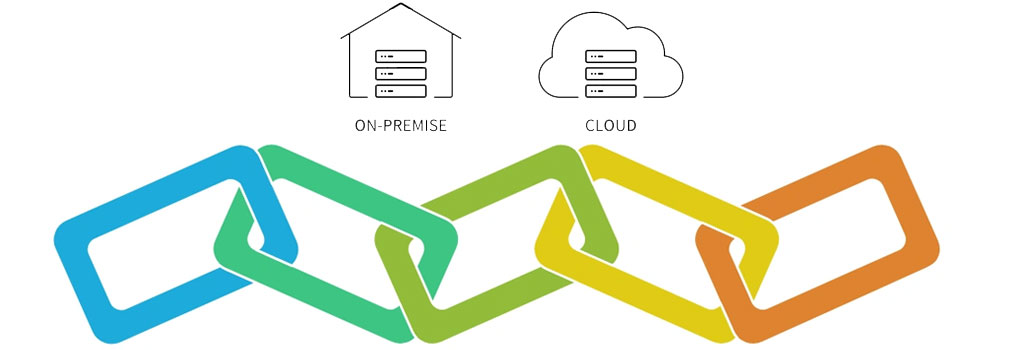
Cloud security has become one of the strongest hiring differentiators.
The reason is simple.
Organizations have already moved critical systems, identities, workloads, and sensitive data into cloud environments.
Azure Security
Many enterprise organizations operate heavily within Microsoft ecosystems.
Experience with:
- Microsoft Defender
- Conditional Access
- Azure Security Center
- Identity Protection
- Privileged Identity Management
immediately attracts attention.
AWS Security
AWS remains a dominant cloud provider.
Candidates who understand:
- IAM
- Security Hub
- GuardDuty
- CloudTrail
- Secure architecture design
bring practical value.
Hybrid Enterprise Security
The future is not purely cloud.
Many organizations now operate hybrid environments involving:
- On-premises infrastructure
- Azure
- AWS
- SaaS platforms
Industry analysts increasingly describe enterprise infrastructure as hybrid and policy-driven rather than dependent on a single cloud provider.
The professionals who understand security across these environments are becoming significantly more valuable than those collecting additional certifications without practical deployment experience.
The Cybersecurity Skills That Create Interviews in 2026
Based on current hiring trends, these areas consistently generate employer interest.
| Skill Area | Demand Level | Career Impact |
|---|---|---|
| Cloud Security | Very High | Excellent |
| Security Architecture | Very High | Excellent |
| Identity Security | Very High | Excellent |
| AI Security Governance | High | Growing |
| Risk Assessment | High | Strong |
| Security Engineering | High | Strong |
| Security Automation | High | Strong |
| Incident Response | Medium-High | Strong |
| Compliance & GRC | Medium-High | Stable |
| Vulnerability Management | Medium | Moderate |
The latest workforce research found cloud security, AI, risk assessment, security engineering, and governance skills among the most critical shortages reported by cybersecurity teams.
What Strong CISSP Candidates Do Differently
The gap between average and high-performing candidates is often surprisingly small.
| Average Candidate | High-Performing Candidate |
|---|---|
| Lists certifications | Demonstrates business outcomes |
| Focuses on tasks | Focuses on measurable impact |
| Discusses tools | Explains decisions |
| Studies theory | Builds projects |
| Waits for opportunities | Creates visibility |
| Talks technology | Talks business risk |
| Applies broadly | Targets specific roles |
The strongest professionals understand that employers care about what happened because of their work.
They quantify results.
They tell stories.
They demonstrate influence.
Most importantly, they show how security supports business objectives.
Building a Smarter CISSP Preparation Strategy
Passing CISSP should be viewed as the beginning of professional development, not the finish line.
The strongest candidates combine multiple preparation approaches.
They study official materials.
They perform hands-on labs.
They build cloud environments.
They practice interview scenarios.
Some professionals also review third-party practice resources such as Leads4Pass CISSP Resources alongside official materials to identify weak areas and improve exam readiness, although preparation resources alone do not replace practical experience.
What ultimately matters is the ability to apply concepts.
During interviews, employers rarely ask candidates to recite textbook definitions.
Instead, they ask:
“Tell me about a security risk you identified.”
“Describe an architecture decision you influenced.”
“How would you secure a multi-cloud environment?”
Those answers separate successful candidates from unsuccessful ones.
A Practical 90-Day Career Action Plan After CISSP

Days 1–30
Focus on positioning.
- Rewrite resume around business outcomes
- Optimize LinkedIn profile
- Create measurable achievement statements
- Build a portfolio of security projects
Days 31–60
Focus on cloud security.
- Deploy Azure lab environments
- Create AWS security projects
- Document architecture decisions
- Practice explaining technical concepts to nontechnical audiences
Days 61–90
Focus on interview readiness.
- Conduct mock interviews
- Develop STAR-format examples
- Expand professional network
- Engage with security communities and industry events
- Apply strategically rather than indiscriminately
This approach typically produces better results than simply collecting another certification.
What Will Matter More Than CISSP Over The Next Five Years

This doesn’t mean CISSP loses value.
It means the surrounding skills become increasingly important.
AI-Assisted Security Operations
Organizations are rapidly investing in AI-enabled security capabilities. Security teams increasingly need professionals who understand both cybersecurity and AI governance.
Security Architecture
Architectural thinking remains difficult to automate.
Professionals who can design secure systems will continue to be highly valued.
Business Risk Management
Executives increasingly view cybersecurity as a business risk issue rather than a purely technical problem.
Professionals who can translate security into financial, operational, and strategic impact will gain influence.
Cloud-First Organizations
Cloud security demand remains one of the strongest hiring signals in the market. ISC2 workforce findings continue to identify cloud security as a leading skills priority among employers.
Security Leadership
Future security leaders will need:
- Technical credibility
- Business communication skills
- Risk management expertise
- Strategic decision-making ability
These capabilities often determine promotion potential more than certifications alone.
Final Reflection
After years of reviewing resumes, interviewing candidates, and helping professionals advance into security leadership roles, one pattern remains consistent.
The cybersecurity professionals who benefit most from CISSP are rarely the ones who simply pass the exam.
They are the professionals who learn how to transform security knowledge into business value.
They understand cloud architecture.
They communicate risk effectively.
They influence decisions.
They demonstrate outcomes.
CISSP remains a powerful credential in 2026.
But employers are no longer asking, “Do you have CISSP?”
They are asking, “What can you do with it?”
The sooner you build that answer into your resume, your projects, your interviews, and your daily work, the sooner CISSP becomes a career accelerator instead of a line on a certification list.

![[SK0-005 Updated]Latest and effective CompTIA SK0-004 PDF questions and answers, expert recommendations to help you pass the exam](https://www.buklsainsa.org/wp-content/themes/instorm/img/thumb-medium.png)